The Luxury Spa Director’s Guide to Creating an Authentic Hammam Experience
What today’s guests really expect – and how leading luxury spas are delivering it.
The short version
- A hammam is a structured six-stage ritual – preparation, cleansing, exfoliation, purification, nourishment and continuation – not simply a scented body scrub.
- Guests increasingly compare UK spa offerings to hammams they’ve experienced in Morocco, raising the authenticity bar.
- A hammam and a rasul are different treatments: a rasul is a self-administered treatment centred on mineral muds in a steam chamber, while a hammam is performed by a therapist using black soap and kessa exfoliation.
- Authentic experiences can be delivered in standard treatment rooms – dedicated wet facilities aren’t required.
- marocMaroc supplies UK and Ireland spas with heritage Moroccan ritual products, therapist training and wholesale pricing.
A True Hammam, or Simply a Body Scrub with a Story?
Across the UK, more luxury spas are introducing hammam-inspired treatments than ever before. Yet one question remains.
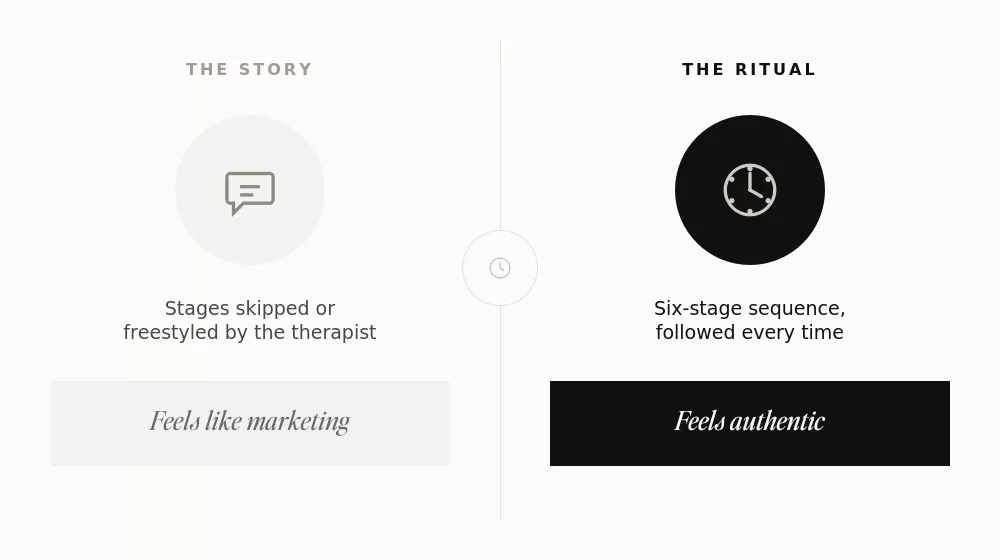
The Story vs The Ritual
Today’s luxury guest is increasingly well travelled. Many have experienced authentic hammams in Morocco and arrive with higher expectations than ever before. At the same time, Spa Directors face growing pressure to create memorable experiences, drive treatment revenue and differentiate their spa offering within an increasingly competitive market.
Having worked alongside some of the UK’s leading luxury hotel spas, we’ve seen first-hand what separates a successful hammam experience from one that simply occupies space on a treatment menu. This guide explores what today’s guests really expect, how luxury spas can deliver authentic hammam experiences and why the most successful operators think beyond products and focus on ritual.
Five signs your hammam isn’t quite hitting the mark
- Guest feedback describes it as “a scrub” rather than a ritual or an experience
- Therapists deliver the treatment slightly differently every time
- There’s no mention of the ritual’s origin or tradition during the treatment
- Guests aren’t offered a way to continue the ritual at home
- The products used have no real connection to Moroccan heritage
What Today’s Luxury Spa Guest Is Looking For
Guest expectations have evolved. The modern luxury guest is not simply purchasing a treatment – they are investing in an experience. In conversations with Spa Directors across the UK and Ireland, six themes consistently emerge.
Authenticity
Guests increasingly seek experiences rooted in genuine traditions rather than marketing concepts.
Sense of Place
The most memorable spa experiences transport the guest’s mind somewhere.
Storytelling
People connect with stories. Understanding the origins of a ritual often enhances the experience itself.
Transformation
Guests want to feel a difference when they leave – whether physical, emotional or both.
Continuation
The experience should not end when they leave the treatment room. The strongest concepts create a desire to continue the ritual at home.
Personalisation
The best experiences feel tailored – guests notice when a ritual responds to their skin, mood or preferences, rather than following an identical script for everyone.
A guest may struggle to remember the name of a peptide complex. They rarely forget the feeling of emerging from a beautifully delivered hammam.
Understanding the Hammam Tradition
Origins and cultural significance
The traditional hammam has its roots in Roman bathing culture and evolved over centuries throughout North Africa and the Middle East. In Morocco, the hammam became an important part of daily life – a place for cleansing, connection and wellbeing. The spa industry is no stranger to trends, yet the hammam has endured for centuries because it delivers something increasingly rare: a sense of ritual.
Unlike many modern treatments, the hammam combines cleansing, touch, heat, texture, scent and storytelling into a complete sensory journey. The most successful spas understand that they are not simply selling treatments – they are creating memories. The hammam does exactly that.
What an authentic Moroccan hammam involves
While every hammam has its own nuances, most authentic Moroccan hammam rituals share a number of common principles:
- Heat and steam prepare the body
- Black soap softens and conditions the skin
- Exfoliation removes dead skin cells
- A purification stage refreshes and renews the skin
- Oils and balms nourish and restore
The ritual leaves guests feeling deeply cleansed, relaxed and renewed. Importantly, the hammam is more than a treatment – it is a journey.
When is a hammam not a hammam?
In recent years, body scrubs have been marketed as hammams. Steam experiences described as hammams. Even treatments with little connection to Moroccan traditions have been presented as authentic rituals. There is nothing wrong with adapting treatments for modern spa environments. However, authenticity matters.
The most successful hammam experiences preserve the essence of the ritual even when they adapt the delivery. They remain rooted in cleansing, purification, sensory immersion and cultural storytelling. Without those elements, the experience risks becoming little more than a body treatment with a Moroccan-inspired name. Today’s guests can tell the difference.
Key terms explained
- Hammam
- A structured Moroccan cleansing ritual combining heat, steam, black soap, exfoliation and nourishment.
- Rasul
- A treatment centred on mineral-rich muds applied within a dedicated steam chamber – related to, but distinct from, a hammam.
- Kessa mitt
- A traditional woven exfoliating mitt used to remove dead skin during the cleansing stage.
- Rhassoul
- A mineral-rich clay, traditionally sourced from Morocco, used during the purification stage.
- Black soap
- An olive oil-based soap used to soften and condition skin before exfoliation. “Beldi” is Moroccan Arabic for “traditional” or “local.”
Designing the Experience
The six-stage ritual sequence
The most successful hammam experiences follow a clear framework. Each stage builds on the last, creating a genuine journey rather than a collection of disconnected treatments.
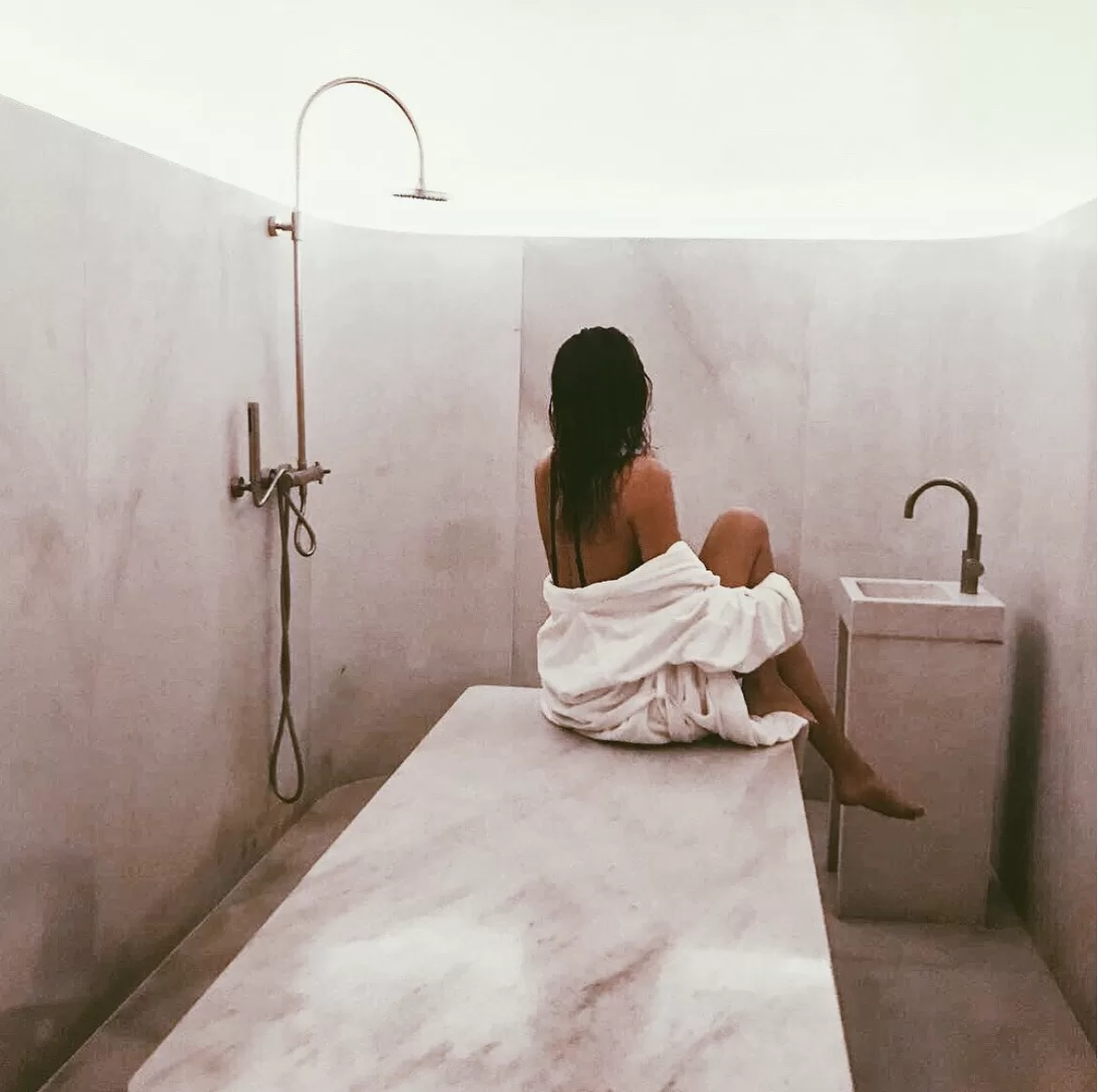
Preparation
Create anticipation and prepare the guest physically and mentally for the ritual. Set the tone through storytelling, environment and sensory cues.
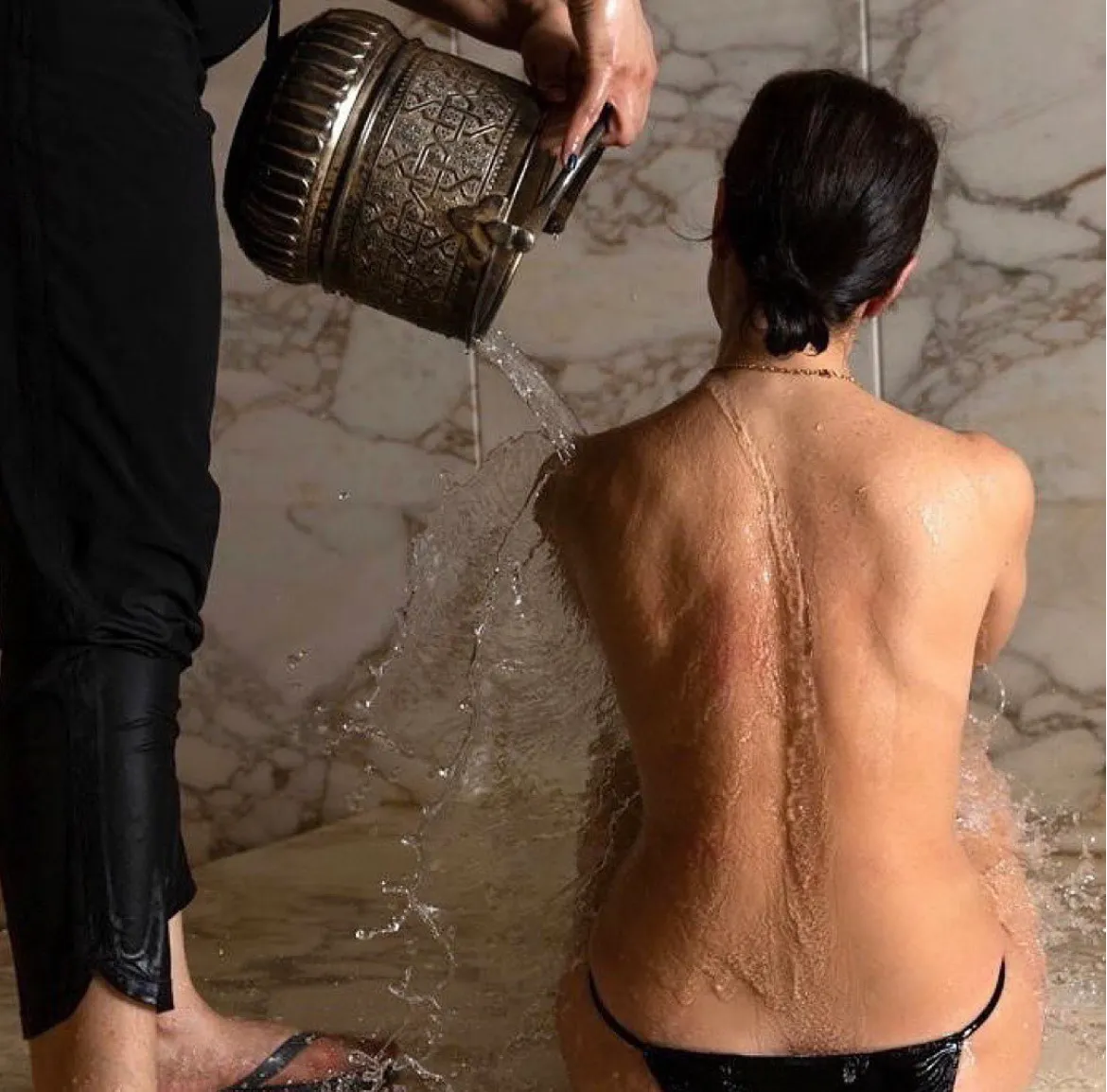
Cleansing
Introduce black soap and begin the cleansing process. Black soap softens and conditions the skin, preparing it for exfoliation.
Exfoliation
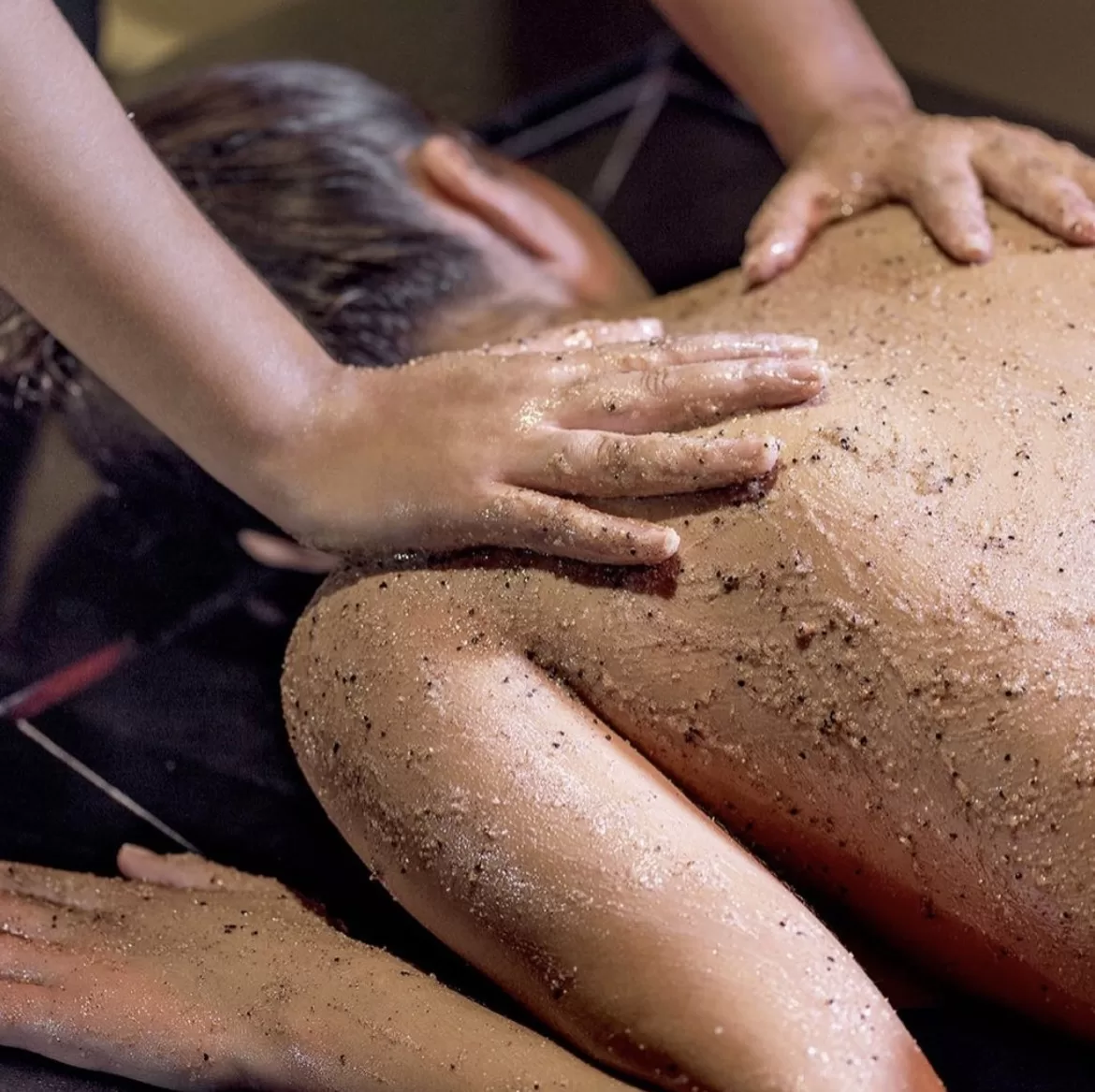
The transformative moment. The point at which guests often see and feel the impact of the ritual most acutely – using a traditional kessa mitt.
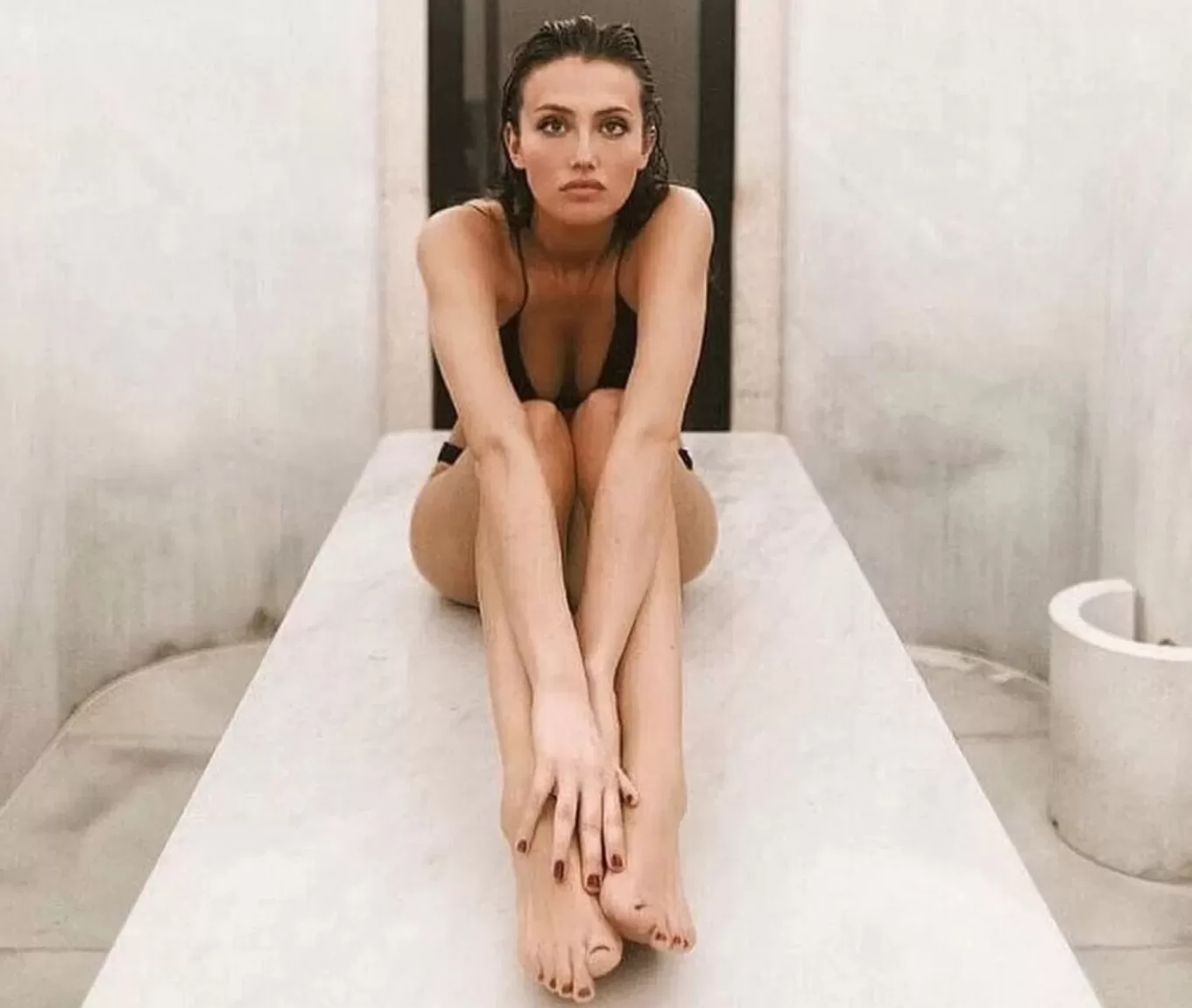
Purification
Deep cleansing and renewal inspired by Moroccan wellness traditions. Rose water, clay or rhassoul may feature at this stage.
Nourishment
Restore hydration, comfort and softness to the skin using argan oil or body balms. The skin should feel visibly transformed.
Continuation
Allow guests to continue the ritual at home through retail and self-care recommendations. The strongest spa concepts extend the experience beyond the treatment room.
marocMaroc Black Soap
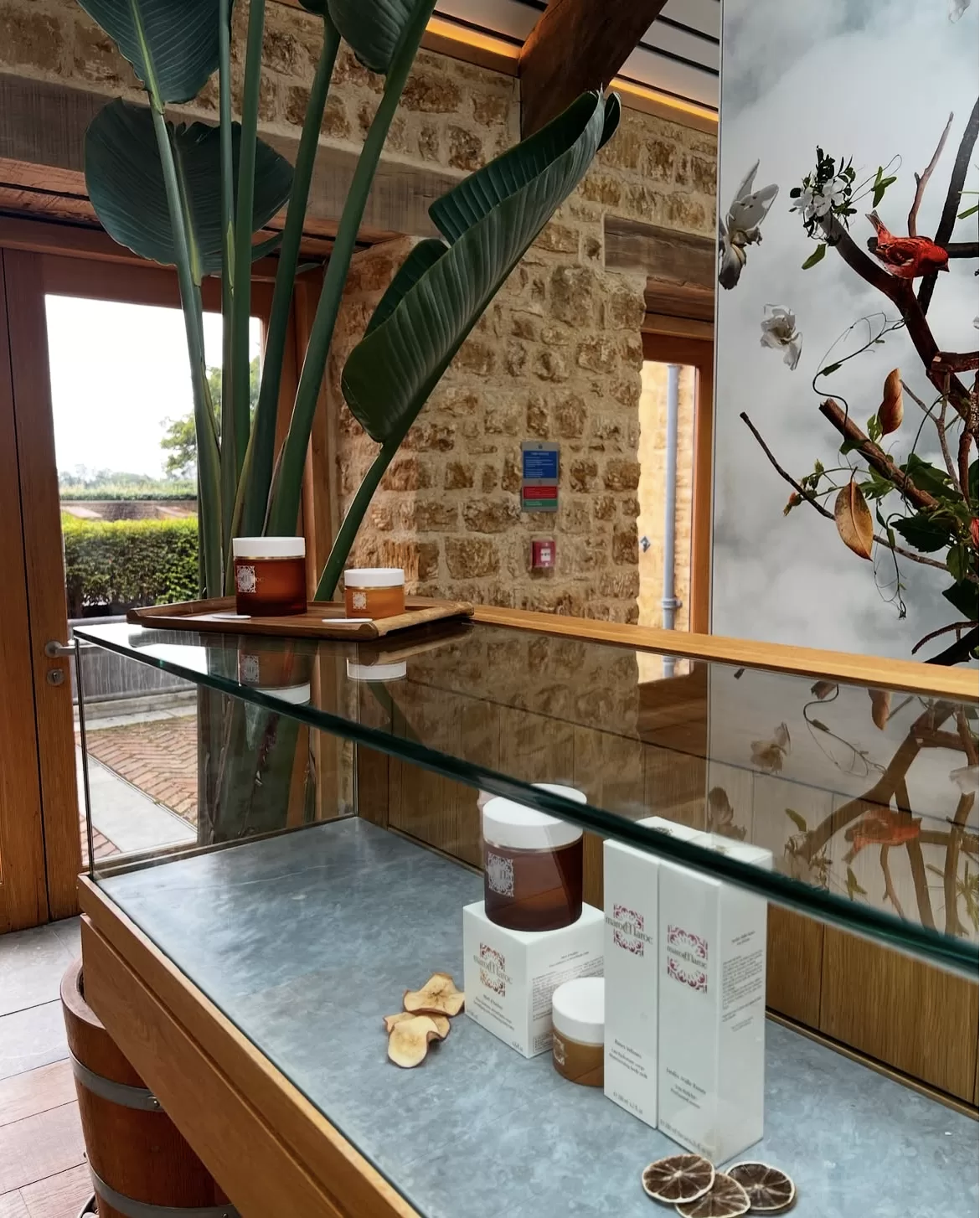
The foundation of any authentic hammam ritual. Cold-pressed from certified organic olive oil with eucalyptus, black soap softens and conditions the skin in preparation for exfoliation. Created in Morocco and developed specifically for luxury spa use.
What if you don’t have a dedicated wet room?
A true hammam relies on dedicated wet facilities – heat, steam and a slab are part of what makes the ritual what it is, and that infrastructure can’t be substituted. Many UK hotel spas simply don’t have it, and that shouldn’t rule Moroccan ritual out of the treatment menu.
Where wet facilities aren’t available, spas can offer results-driven treatments using traditional Moroccan techniques, ingredients and movements instead – from candle massage to prickly pear facials – delivered in the comfort of a standard treatment room. It isn’t a hammam, but it gives guests without wet-room access to a genuine, ritual-led Moroccan experience.
What spa directors often overlook
In our experience, the success of a hammam programme rarely comes down to products alone. More often, it comes down to execution – therapist confidence over facilities, storytelling over technical knowledge, consistency over complexity. The strongest-performing spas treat the hammam as a complete guest journey rather than a standalone treatment.
Where hammam programmes go wrong
- Skipping the preparation stage and jumping straight to exfoliation, so the ritual never builds anticipation
- Letting therapists freestyle the sequence, so no two guests get the same experience
- Over-styling the room with scent and decor while under-investing in therapist training
- Offering no retail continuation, so the ritual ends the moment the guest leaves
- Using generic body-care products with no connection to Moroccan tradition, so the story falls flat
Why Product Choice Matters
Authenticity does not begin with a treatment protocol. It begins with the products themselves. Many brands borrow inspiration from Moroccan wellness traditions. Far fewer have been built around them.
Created in Morocco and inspired by the country’s beauty rituals, marocMaroc was developed specifically to translate authentic Moroccan wellness traditions into modern luxury spa experiences. For Spa Directors, this offers several advantages:
- Ritual-led treatment protocols developed with real hammam heritage
- Authentic Moroccan storytelling for therapists to share with guests
- Strong retail continuation opportunities – guests can continue the ritual at home
- Distinctive guest experiences that support premium pricing
- Ongoing therapist education and support from the VILASA team
Most importantly, it enables spas to deliver a hammam experience that feels genuine rather than simply themed.
For the purification stage, marocMaroc’s range includes a detoxifying exfoliation designed to be left on the skin, alongside rhassoul face and hair masks – and where a treatment calls for something outside our range, our team is happy to advise on sourcing.
What great looks like in practice
Across the UK, leading luxury properties continue to demonstrate the enduring appeal of authentic hammam rituals. Properties including:
…have all introduced marocMaroc to bring Moroccan-inspired rituals and retail experiences to their guests. While every spa delivers the experience differently, the most successful programmes share common characteristics: strong therapist storytelling, consistent guest journeys, retail continuation, authentic ritual design and a commitment to experience over trends.
“I started working with Lynne and the VILASA. team in 2021. They were very helpful accommodating training and offering support introducing marocMaroc to the spa. Partnering with Dolphin Square Spa, London, we brought marocMaroc to life with bespoke protocols, expert training and strategic support, elevating team confidence and driving impressive revenue growth.”
Justyna Dyduch, Spa Manager, Dolphin Square
The wider market backs this up. Spa Business has reported on Estelle Manor’s 3,000 sq m Roman-inspired Eynsham Baths in Oxfordshire, where a specialist three-hour bathing journey – including a hammam alongside a steam room, sauna, breathwork pool and treatment rooms – is priced at £95, demonstrating how a well-designed thermal ritual can become a premium, bookable part of a UK hotel’s offering rather than an unattended amenity.
SubRosa Spa, The Grand, York
When The Grand, York completed a 27-week, £2.8 million refurbishment of its former leisure pool to create SubRosa Spa in December 2025, marocMaroc was chosen to bring its new Hammam and Rasul experiences to life. Lynne Leon led the menu engineering for both treatments, personally delivered therapist training to the team, and continued supporting SubRosa through launch events and ongoing education.
“In an industry where supplier relationships can often feel transactional, our experience with VILASA. has been the complete opposite. It has felt like a genuine partnership from day one… if passion for a brand could be bottled and sold, I suspect it would be Lynne’s best-selling product.”
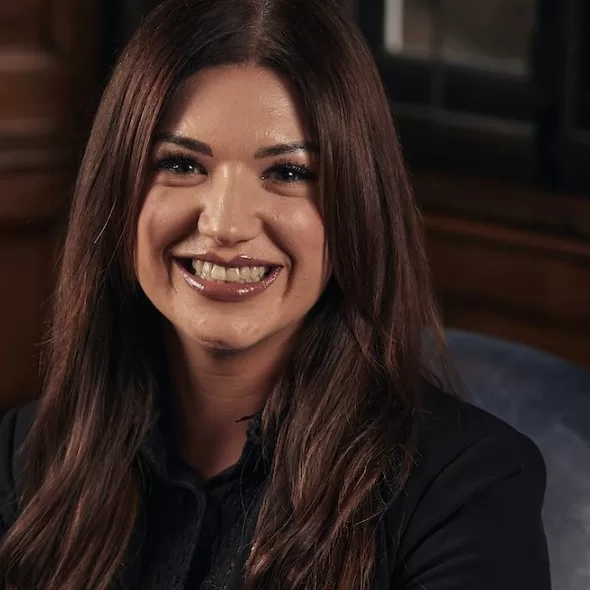
Emma Sorby, Spa Director, The Grand, York
Lynne now offers this work as a dedicated service. Explore VILASA. Hammam & Rasul Consultancy.
Why Authentic Hammam Pays For Itself
A hammam gives a hotel spa more than another thermal facility. It responds to growing demand for culturally authentic, ritual-led wellness while creating a treatment-capable space that can support premium experiences, longer dwell time and greater spend per guest. Global Wellness Institute research points to a renaissance in traditional sweat bathing and communal bathhouses, while leading luxury hospitality developments are increasingly incorporating hammams into substantial, bookable bathing journeys.
Clear differentiation
From competitor spas offering generic treatment menus.
Premium pricing
Supported by genuine cultural heritage and storytelling.
Retail revenue
Guests are motivated to continue the ritual at home.
Word-of-mouth
Memorable experiences are shared.
Repeat visits
Few rituals give guests as compelling a reason to return.
That commercial promise is already playing out. The Global Wellness Institute’s 2026 hydrothermal trends report notes that guests are spending half-days or longer in modern thermal environments, while Spa Business has profiled international operators pricing Moroccan and Turkish hammam access within thermal passes ranging from $89 to $188 – evidence that guests will pay meaningfully for an authentic, well-designed ritual.
Pricing varies significantly by market. Across our own hotel spa partners, a 60-minute hammam currently commands upwards of £80 in regional locations, rising to £200 and beyond in London and the South East – proof that guests will pay a genuine premium once the ritual is positioned as a signature experience rather than a standard treatment.
In an increasingly competitive market, few rituals offer such a compelling combination of heritage, wellbeing and commercial opportunity. Guests are already interested in hammam experiences – the real question is whether your spa is delivering one they’ll remember.
How to Introduce an Authentic Hammam Experience in Your Spa
Pulling the guidance in this piece into a single sequence, introducing an authentic hammam treatment generally comes down to six decisions.
How to introduce the ritual, in order
- Define what “authentic” means for your spa. Decide which elements of the tradition – cleansing, exfoliation, purification, storytelling – you’ll preserve, and be clear on what makes it different from a body scrub.
- Choose the right products and partner. Source ritual products with genuine Moroccan heritage rather than generic, Moroccan-inspired items – this is what makes the story credible to guests.
- Design the six-stage ritual sequence. Build the treatment around preparation, cleansing, exfoliation, purification, nourishment and continuation, rather than a single step.
- Train therapists on storytelling, not just technique. Consistency and narrative matter more than product knowledge alone – this is where most programmes fall down.
- Map the physical journey. Every hammam is different – does the whole treatment happen on the slab, or is there a bench for applying black soap? Can therapists move freely around the slab? What accessories will be used to remove product? Will you introduce Moroccan music and considered lighting? Could you offer group hammams, or follow with a massage or facial?
- Build in retail continuation. Give guests a way to continue the ritual at home, so the experience doesn’t end when they leave the treatment room.
Questions to Ask Before Introducing a Hammam
Before launching a hammam experience, the answers to these questions often determine whether a hammam becomes a menu item or a signature experience.
Six questions every Spa Director should answer
- What makes our experience different from a body scrub?
- How will therapists tell the story behind the ritual?
- How will guests continue the ritual at home?
- Does the experience support our wider spa positioning?
- Are we creating a treatment – or creating an experience?
- Can we command a higher treatment price for this experience?
Frequently Asked Questions
What is a hammam?
A hammam is a structured Moroccan cleansing ritual with roots in Roman bathing culture. It combines heat and steam, black soap cleansing, kessa mitt exfoliation, purification and nourishing oils into a complete sensory journey, rather than a single spa treatment.
What is the difference between a hammam and a rasul?
A rasul is a self-administered treatment centred on applying mineral-rich muds within a dedicated steam chamber. A hammam is a structured cleansing ritual performed by a therapist, combining black soap, kessa mitt exfoliation, purification and nourishment. Both are effective, but they create different guest experiences and should be positioned accordingly.
Do you need a dedicated hammam room to offer the treatment?
Yes, for a true hammam – the wet facilities are part of what defines the ritual. Where a spa doesn’t have them, spas can still offer results-driven treatments using traditional Moroccan techniques, ingredients and movements, such as candle massage or prickly pear facials, delivered in a standard treatment room.
What products are used in an authentic Moroccan hammam?
Common elements include black soap for cleansing, a kessa mitt for exfoliation, rose water or rhassoul clay for purification, and argan oil or body balms for nourishment.
How do I introduce a hammam treatment in my spa?
Start by defining what authenticity means for your offering, then choose products and a partner with genuine Moroccan heritage, design the six-stage ritual sequence, train therapists on storytelling as well as technique, decide how the treatment fits your existing space, and build in a retail continuation for guests to take home.
Is your spa ready for an authentic hammam?
Tick what already applies to your spa’s approach to answer honestly, and we’ll give you a straight read on where you stand.
How VILASA Supports Spa Directors
VILASA partners with luxury hotel spas across the UK and Ireland, helping operators create distinctive guest experiences through exceptional spa brands, treatment concepts and therapist education.
The hammam has endured for centuries because it offers something remarkably simple: a meaningful ritual. And in a world increasingly filled with noise, that may be more valuable than ever.
If you’re exploring how a hammam experience could enhance your spa offering, we’d be delighted to share ideas, insights and best practice from across the sector. If you’re also reviewing your spa’s alignment to Forbes Standards, an authentic hammam ritual is exactly the kind of storytelling-led experience inspectors are trained to notice.
For properties that want specialist help making a hammam or rasul work commercially, Lynne also offers Hammam & Rasul Consultancy: a one-day Operational Review, concept development for new openings, or a focused 75-minute consultation.
The spa itself is only ever half the opportunity. Most hotel guests never book a treatment at all, yet the strongest properties still find a way to put ritual and retail in front of them – in-room amenities, turndown rituals, considered welcome moments that carry the story beyond the treatment room door. Our guide to revenue beyond the spa covers exactly this, including a real example built on the same marocMaroc products discussed here.
What to expect when you introduce marocMaroc
- Investment. Opening orders typically start from a modest professional and retail package.
- Training. 2-4 days, delivered face-to-face on site, covering brand and product knowledge, practical treatment training in your selected treatments, and retail sales training.
- Refresher training. Every 6-12 months, to keep therapist delivery consistent.
- Timeline. From first conversation to launch can take as little as 30 days.
Ready to explore a hammam experience for your spa?
Our team works directly with Spa Directors to recommend the right product selection for your menu, budget and treatment room setup. No obligation, no minimum order required to have a conversation.
A 20-minute call, no obligation and no sales pressure – we’ll talk through fit, product selection and next steps for your spa.
Specialist help to make your hammam or rasul feel distinctive and pay its way.

How the right brand choice helps embed Forbes-aligned excellence into the treatment room, without adding complexity.

Why retail conversion comes down to mechanism as much as training, and how Anne Semonin and marocMaroc solve it in two different ways.

Most guests never book a treatment. Here’s how the best spas reach them anyway, and what it’s worth when they do.